
That gap usually is not about partner effort. It is about what happens after a deal is identified: how it gets registered, reviewed, approved, tracked, and followed up on.
Deal registration gives partners a way to submit opportunities and vendors a way to manage them. Most programs have this part figured out. What comes after is where things get complicated.
What most channel programs get wrong is treating registration as the finish line instead of the start of a managed deal workflow.
In this post, we will look at where deal registration often breaks down and how deal management keeps partner-submitted opportunities from stalling.
Where Deal Registration Often Breaks Down
Approval is not where the work ends. This is where many programs start to feel the strain.
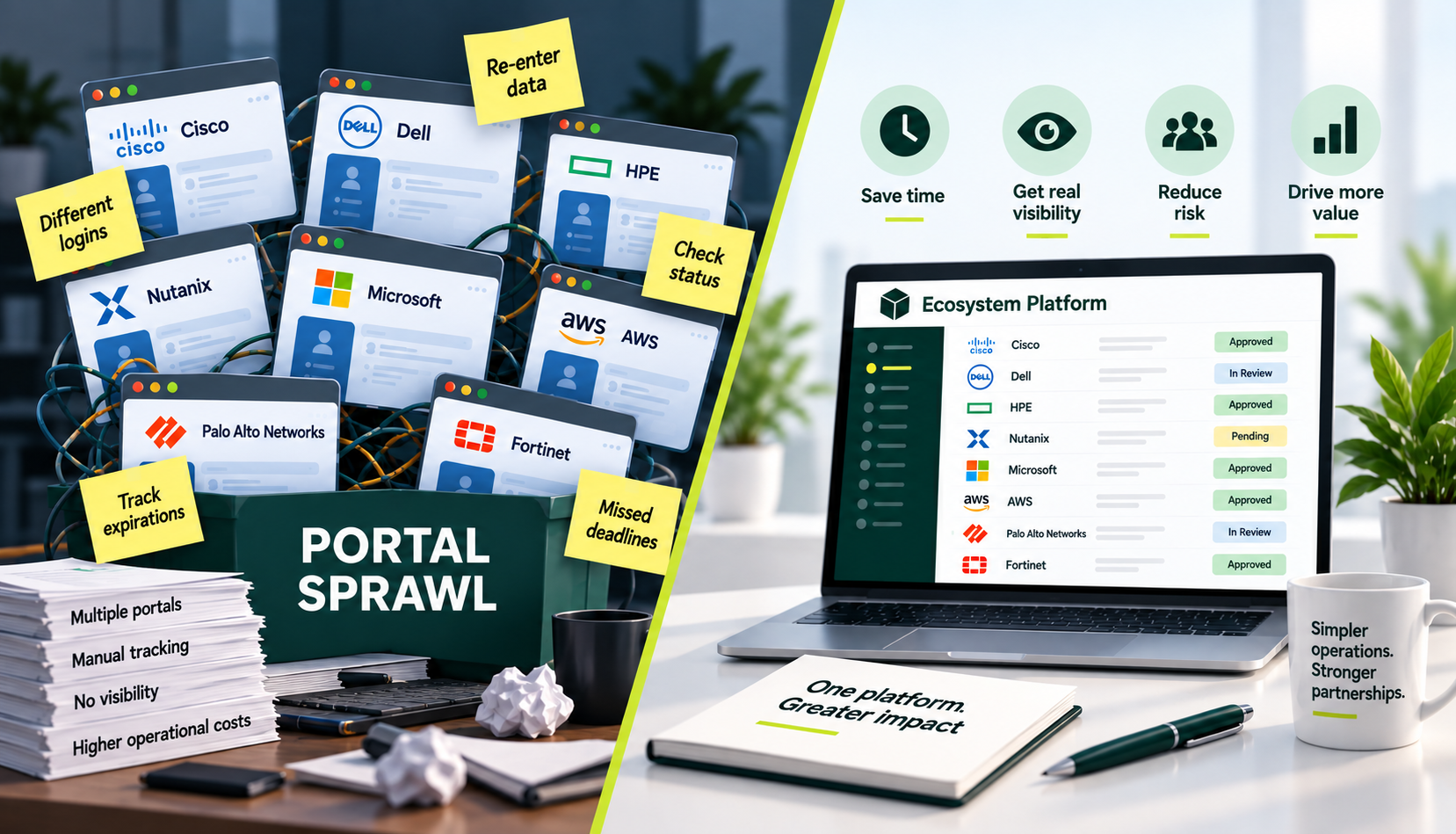
Partners may not know whether a deal is pending, approved, missing information, or close to expiration. Vendors may lose visibility into deal updates when activity happens across portals, spreadsheets, emails, or disconnected CRM records.
The result is a pipeline that appears active but includes deals that have not been reviewed, updated, or followed up on. Registered opportunities expire without follow-up. Partners stop submitting because they never hear back. Vendors cannot forecast with confidence because they do not know which deals are progressing and which deals are stuck.
This is the core problem: deal registration without deal management can make the pipeline look clearer than it actually is.
Why Deal Management Is Part of Deal Registration
Deal registration and deal management are not separate processes. One enables the other.
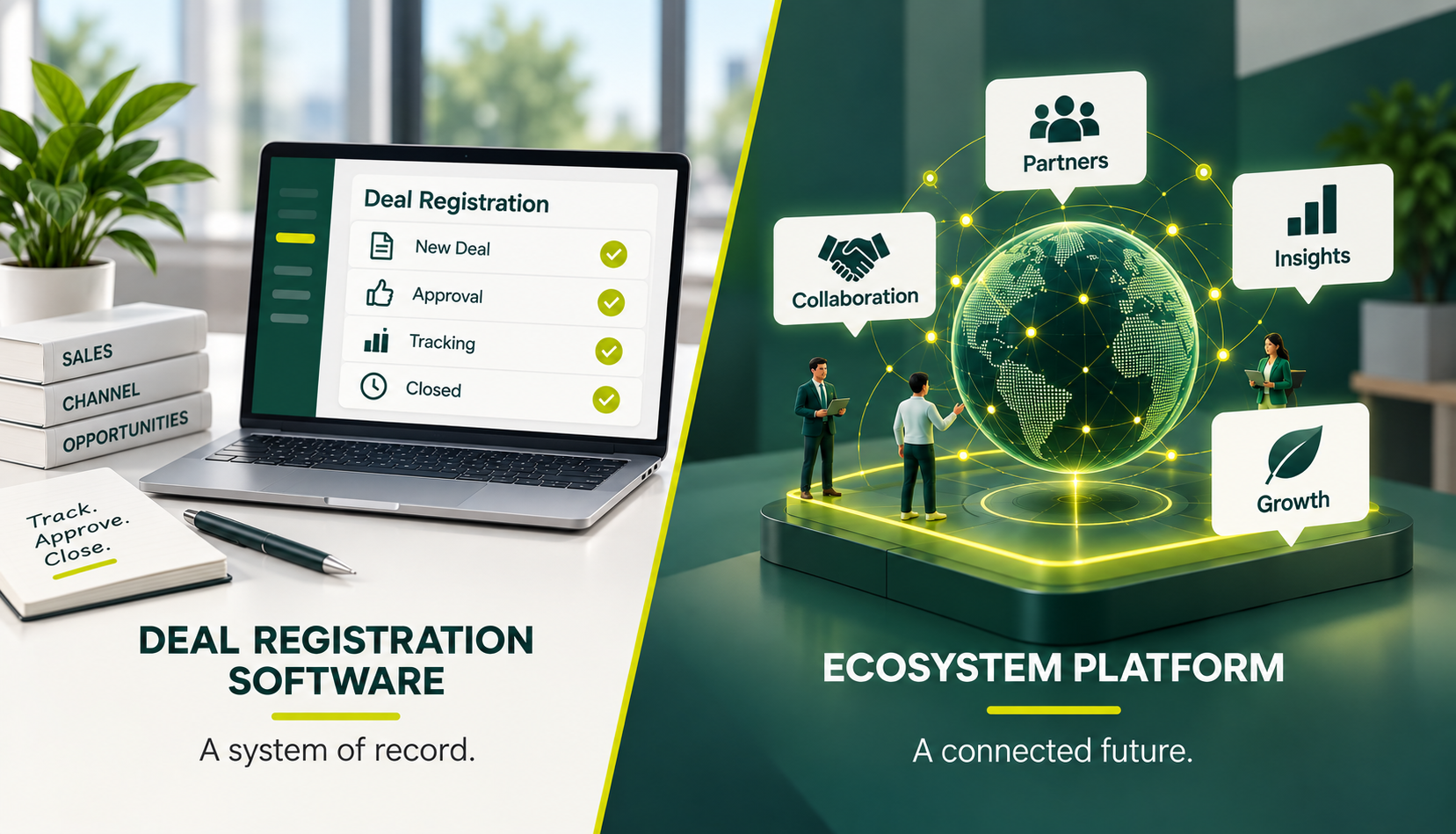
Registration gets the deal in the door. Management keeps it moving. Without the ability to track, advance, and act on registered deals, the submission itself means very little.
A registered deal that sits unreviewed, expires without action, or remains in a vendor inbox is not moving through a managed process.
When deal management is built into the registration process, every submitted opportunity carries forward with clear ownership, accurate status, and defined next steps. That is when deal registration stops being a checkbox and becomes part of how channel teams manage partner-submitted pipeline.
What Deal Management Adds to the Process
Deal tracking ensures every registered opportunity remains visible and actively updated throughout the sales cycle. Partners know where things stand. Vendors know which deals need attention.
Consistent data entry and validation mean registered deals reflect accurate information from the start, reducing the back-and-forth that slows approvals and creates confusion across teams.
Workflow automation can route updates, approvals, and expiration alerts without requiring teams to track each step manually.
Current deal status gives partners and vendors a shared view of where each opportunity stands, removing the need to chase updates across email threads or separate systems.
When these elements are in place, deal registration becomes a reliable input to pipeline forecasting, not just an administrative step.
How Vartopia Supports Deal Registration and Deal Management Together
Most channel programs manage deal registration and deal management across separate tools. That separation creates the visibility gaps that cause deals to stall.
Vartopia connects registration and deal management in one workflow. When a partner submits a deal, it does not sit in a queue waiting for someone to find it. It enters a governed workflow with automated data validation, current status tracking, and CRM integration that keeps records current with less manual updating.
Partners log in once to submit deals, check status, and stay informed through a single location. Vendors get a consistent view of what is in the pipeline, what needs review, and what is at risk of expiring. Channel and RevOps teams can forecast from deal data tied to consistent status, updates, and approval workflows.
Every deal that enters the workflow stays visible, with the right people informed and able to act before opportunities are lost.
Final Thoughts
Deal registration provides the structure needed to scale channel sales. But structure alone is not enough.
The partners who submitted a deal and never heard back, the vendors who approved opportunities they could no longer track, the forecasts built on data no one trusted: these are the problems deal management is designed to solve.
When registration and management work together in one workflow, channel teams make decisions from current deal status, approval activity, and follow-up requirements instead of scattered updates.

Request a demo to see how Vartopia helps channel vendors and partners manage deal registration from submission to follow-up.